Barcode and RFID Technologies in Production Tracking: Which One to Choose?
A technical comparison of barcode systems and RFID technology for businesses looking to optimize data collection processes in manufacturing and logistics.
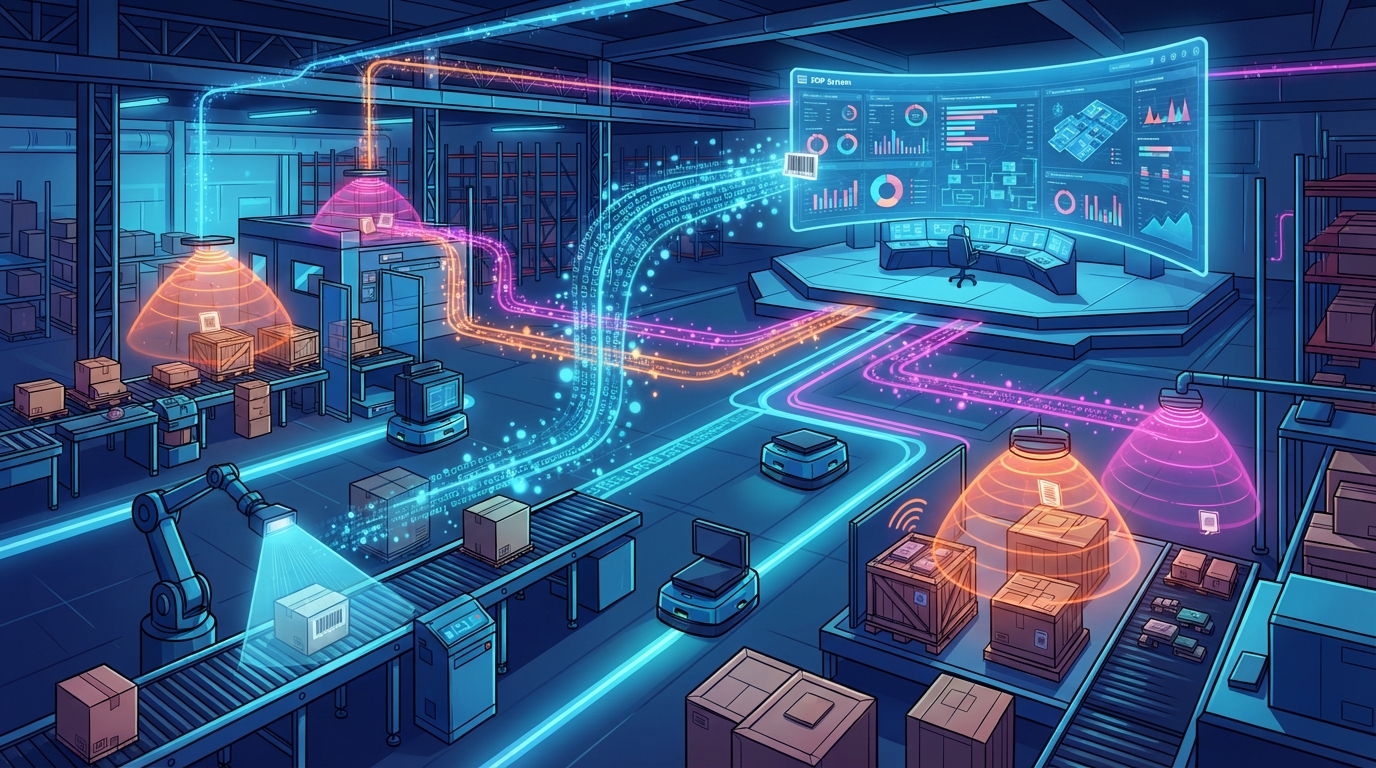
Choosing the Right Technology in Production Tracking
Increasing efficiency in industrial processes and minimizing operational errors rely on establishing the right data collection infrastructure. Businesses need various hardware and software components to monitor every step from inventory management to the shipping stage. At this point, the most common dilemma occurs between traditional methods and next-generation wireless sensing systems.
Technical Infrastructure of Barcode Systems
Barcode solutions are a well-established and widespread infrastructure that enables data to be read with the help of optical scanners. Linear codes pasted on each product or pallet allow the tracking of movements within the enterprise. The accessibility of setup costs and the short duration of personnel training processes make this method attractive for small and medium-sized businesses.
However, barcode technology has certain physical limitations:
- Line of Sight is required for the reading process.
- Physical damage or contamination of labels can lead to reading errors.
- Only a single label can be scanned at a time, which wastes time in bulk operations.
RFID Technology and Wireless Data Collection
Radio Frequency Identification (RFID) systems, on the other hand, enable the automatic detection of objects using radio waves. This technology offers instant information flow through chips on objects without requiring a direct line of sight. It speeds up processes, especially in complex storage areas and dense shipping flows.
ERP Integration in Processes
Regardless of the technology used, it is critical that the obtained data is instantly transferred to corporate systems. Instant inputs collected from the production floor are processed through the Enterprise Software & ERP infrastructure, ensuring that all departments work simultaneously under the same digital roof. In this way, production tracking and logistics operations are carried out flawlessly.
Which Technology Should You Choose for Your Business?
To make the right decision, you must analyze your operational requirements and environmental conditions:
- Budget and Constraints: If you are aiming for a low-cost and simple start, barcode solutions may be sufficient.
- Speed and Volume: If you have a warehouse with intense and fast flows where hundreds of products need to be scanned simultaneously, an RFID investment provides a long-term advantage.
- Environmental Conditions: RFID labels exhibit more durable performance in dusty, humid, or harsh industrial environments where labels are prone to damage.
Application and Integration Checklist
Regardless of whether barcode or RFID technologies are chosen on the production floor, the success of the project relies on meticulous planning and step-by-step implementation discipline. To prevent possible disruptions and data losses during the installation process, the following checklist must be followed completely: * Operational Requirements Analysis: Product speed, environmental conditions (temperature, humidity, metal density), and readability expectations must be reported in detail. * Hardware Selection and Pilot Test: Testing selected handheld terminals, fixed readers, and labels in the field with realistic scenarios reveals unexpected signal or optical losses early. * Software and ERP Integration: API and socket connections must be tested to ensure seamless flow of raw data collected from the field to the background Enterprise Software & ERP system. * Error Management and Exception Procedures: Alternative workflows requiring immediate manual intervention must be defined for unreadable labels, damaged barcodes, or system outages. * Personnel Training and Ongoing Support: Practical training must be provided so field workers use new devices at the right angle and know the steps to follow in case of potential hardware malfunctions.Resources
- Enterprise Software & ERP — Cy Logic Software